Review
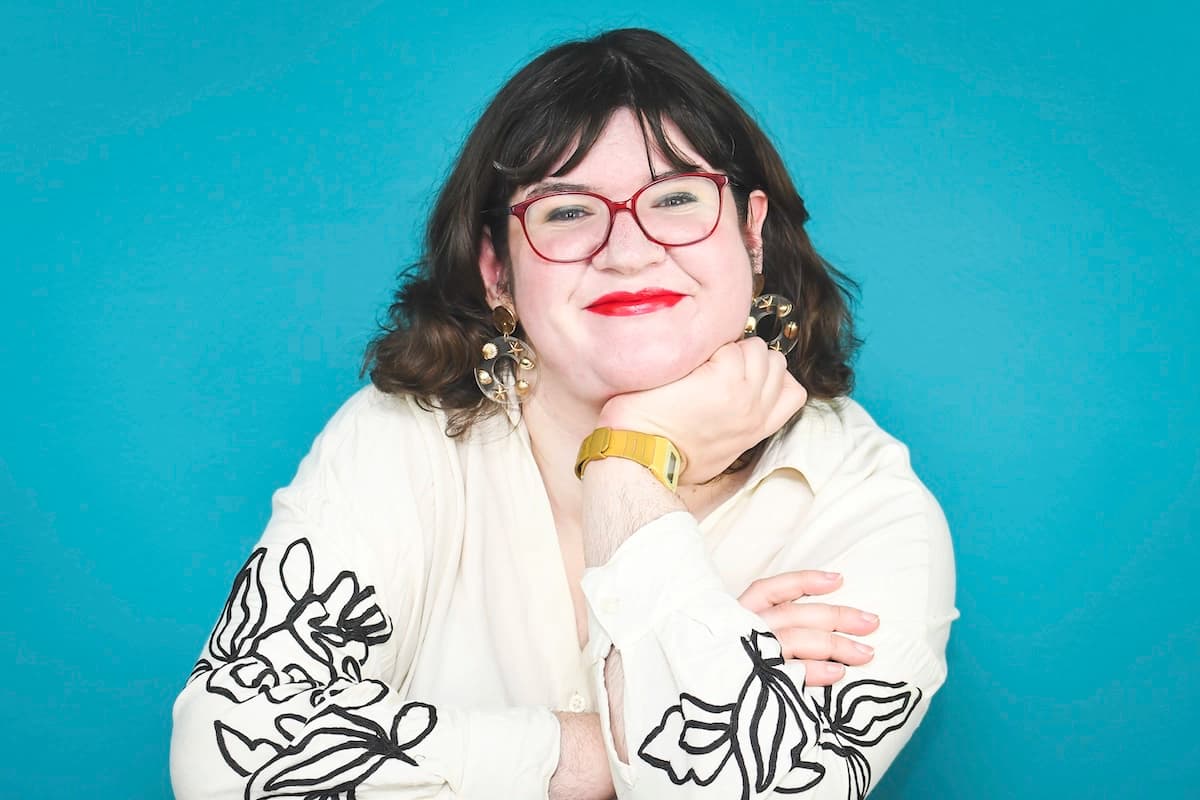
Still finding its shape as a work-in-progress, Momma’s Got a Brand New Toy Kitchen channels Bex Turner’s childhood memories, neurodivergent and autistic experience, and surreal comic voice through a highly physical stand-up performance. Her energy, personality and openness are clear, but a small audience, uneven interactive material and a bare-bones production leave the show feeling underdeveloped. The material is there; what it now needs is a clearer structure and stronger directorial and technical support.
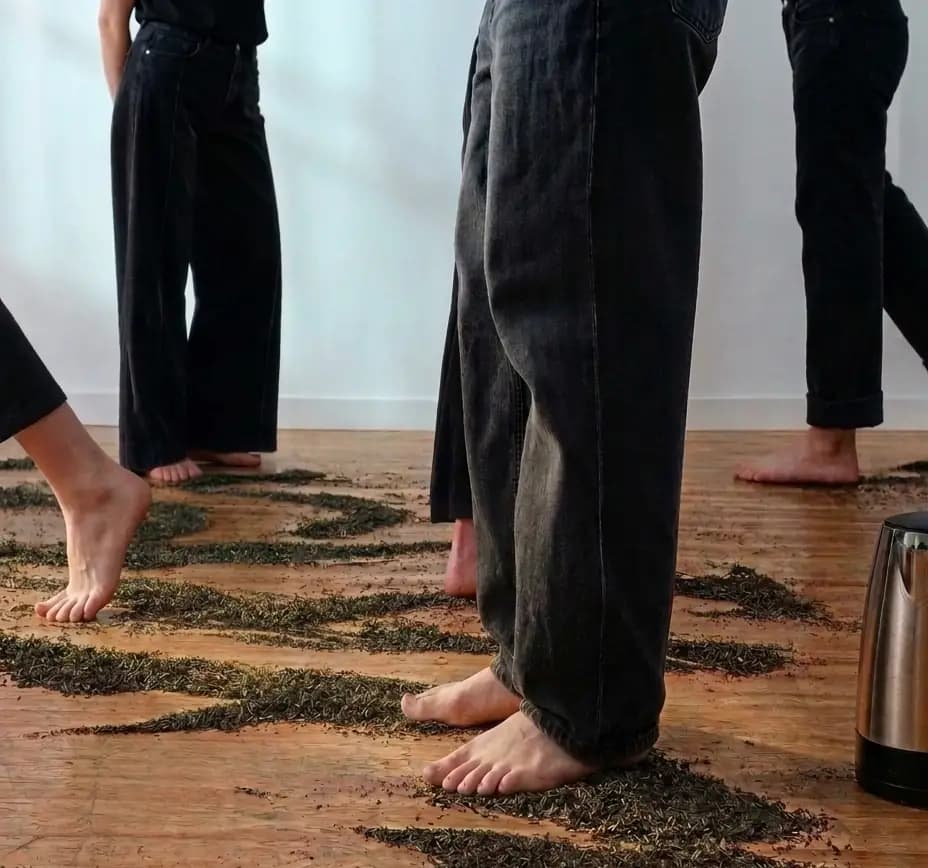
Beginning with a cup of tea placed directly in the audience’s hands, The Sediments of Who We Are turns tasting, scent, waiting and movement into part of the performance itself. Through five performers’ personal relationships with tea, the production explores memory, migration, home and cultural identity as things continually steeped and blended over time, making its ideas tangible through the audience’s own sensory experience.
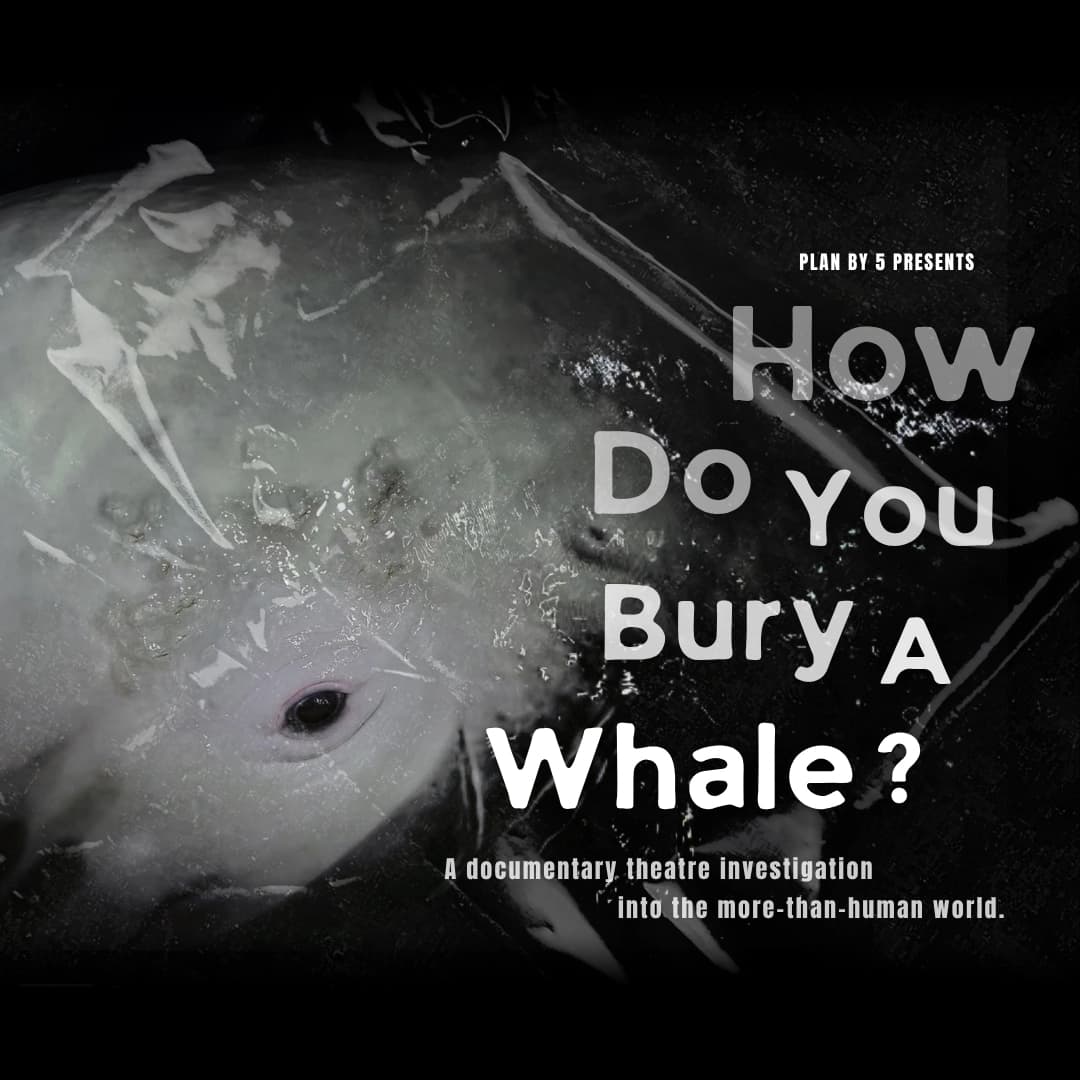
An investigative documentary performance centred on the death of Dabai, a captive beluga whale, How Do You Bury A Whale? uses testimony, sound, movement, video, archival material and audience participation to examine the relationship between spectatorship and captivity, returning an easily forgotten life to public memory while leaving room for its methods of investigation and verification to be developed more fully.
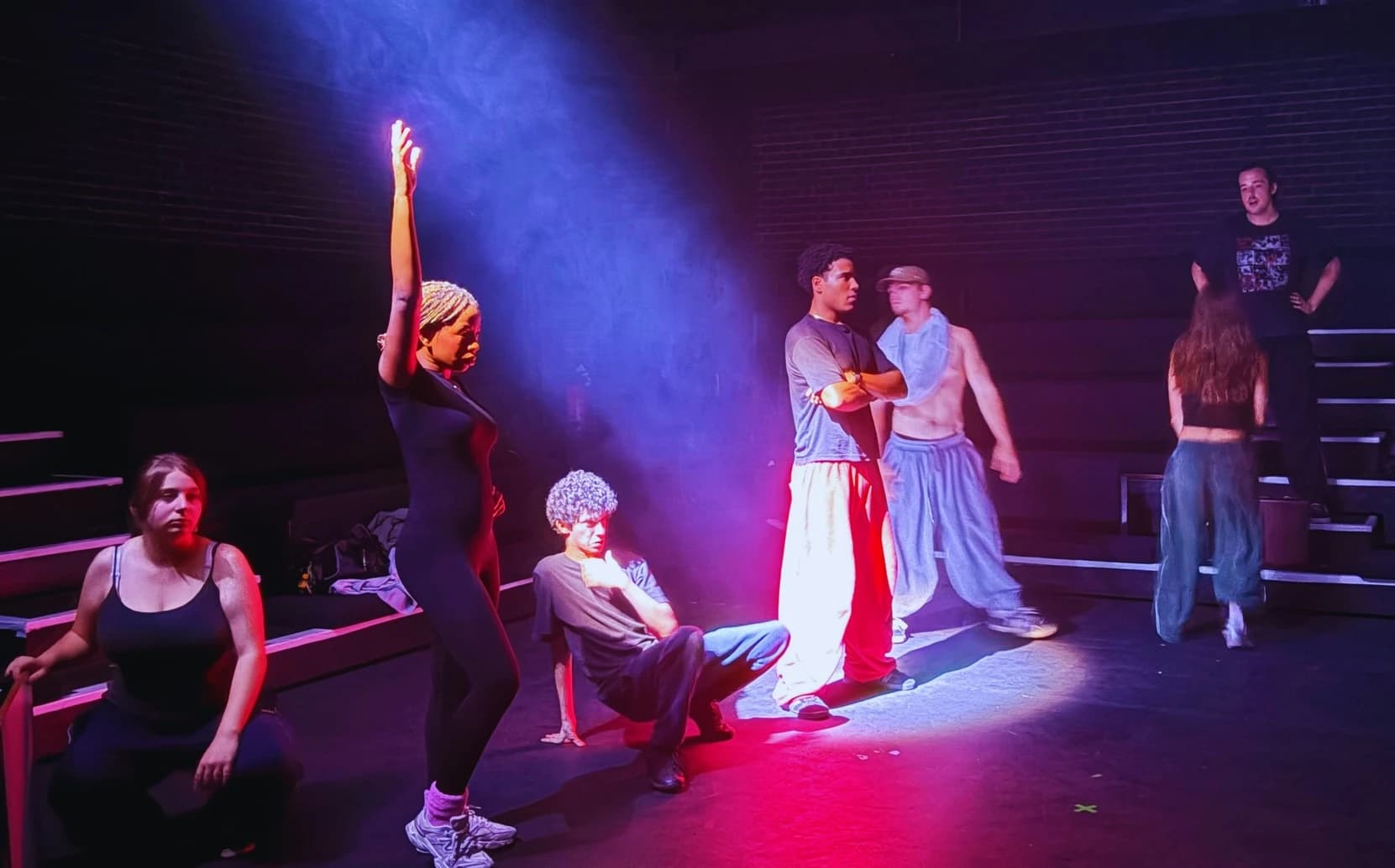
A one-hour Camden Fringe musical that turns a simple and predictable custody-battle story into an energetic piece of theatre through distinctly British comedy, a 1980s-pop-inspired score and a strong nine-person ensemble, while leaving room for Donna and Rick’s relationship to be developed further in a longer version.
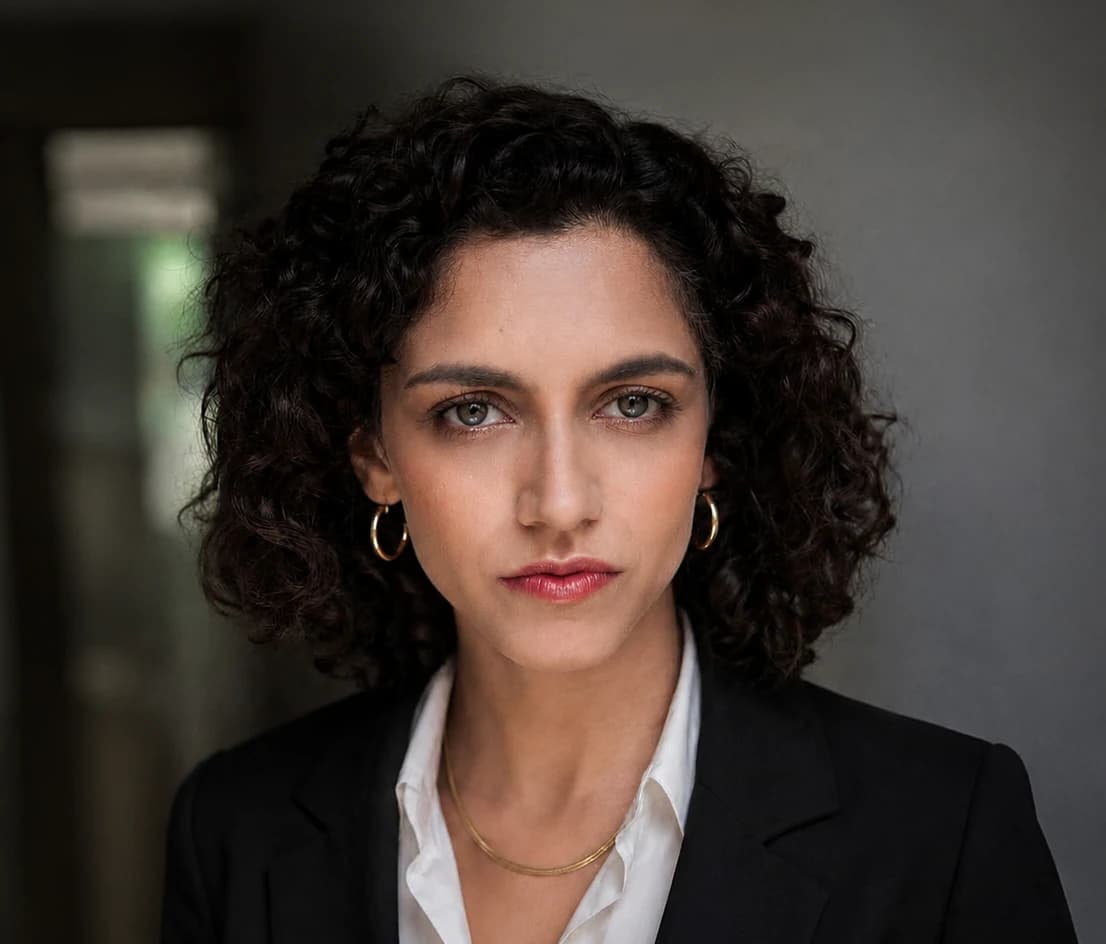
Written and performed by Nicole Abraham and directed by Toby Clarke, Punch Me Then places the audience inside English teacher Lila’s classroom, where a lesson confronting misogyny gradually collides with trauma she has tried to suppress. Abraham moves vividly between teacher and pupils, while the decision to seat audience members as part of the class blurs the boundary between performer, participant and observer, asking how much responsibility education can realistically carry for wider social change.
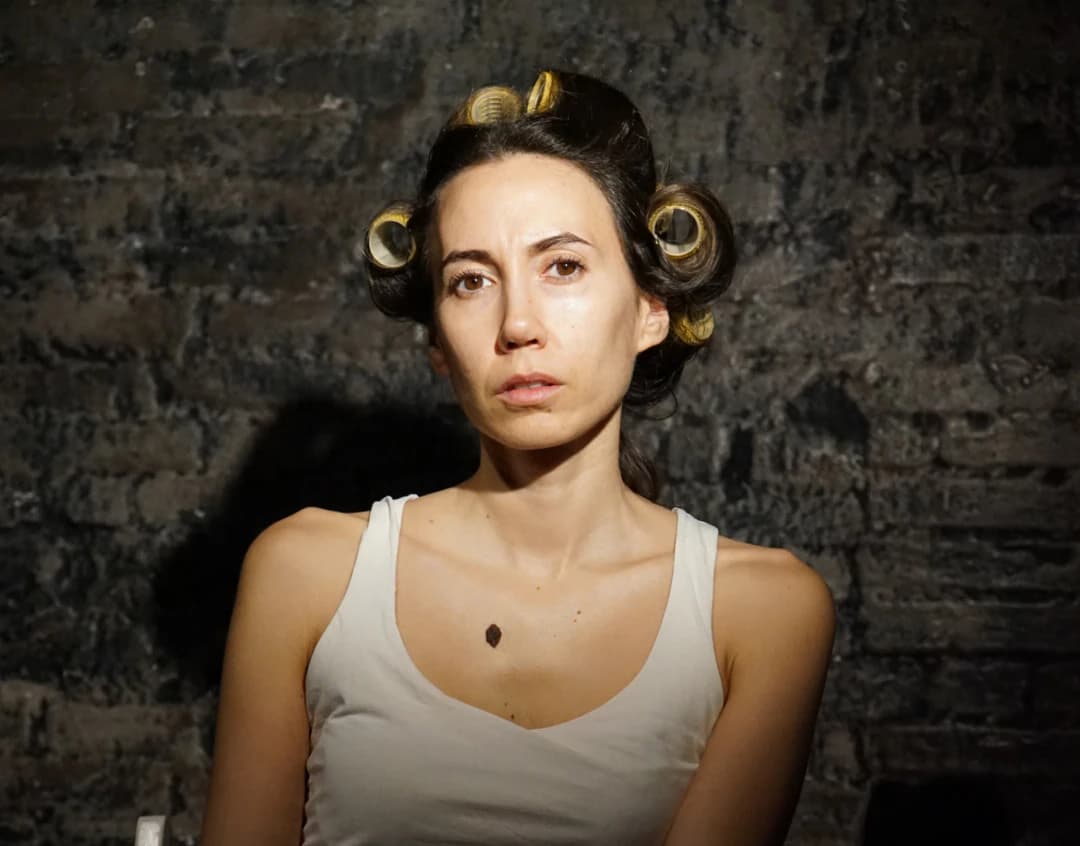
Written and directed by Diego Beares and performed by Alba Campayo, Los años maravillosos: Archive, Image and Collapse returns to a real 1971 archive in which a young Uruguayan model speaks about the future she imagined for herself. Language, image and body repeat, fracture and collapse as the work moves between Montevideo and London under the shadow of Diana Spencer, exploring memory, identity and the futures that never arrived. Campayo’s poetic physical performance gives this archival encounter a vivid temporary body in the present.
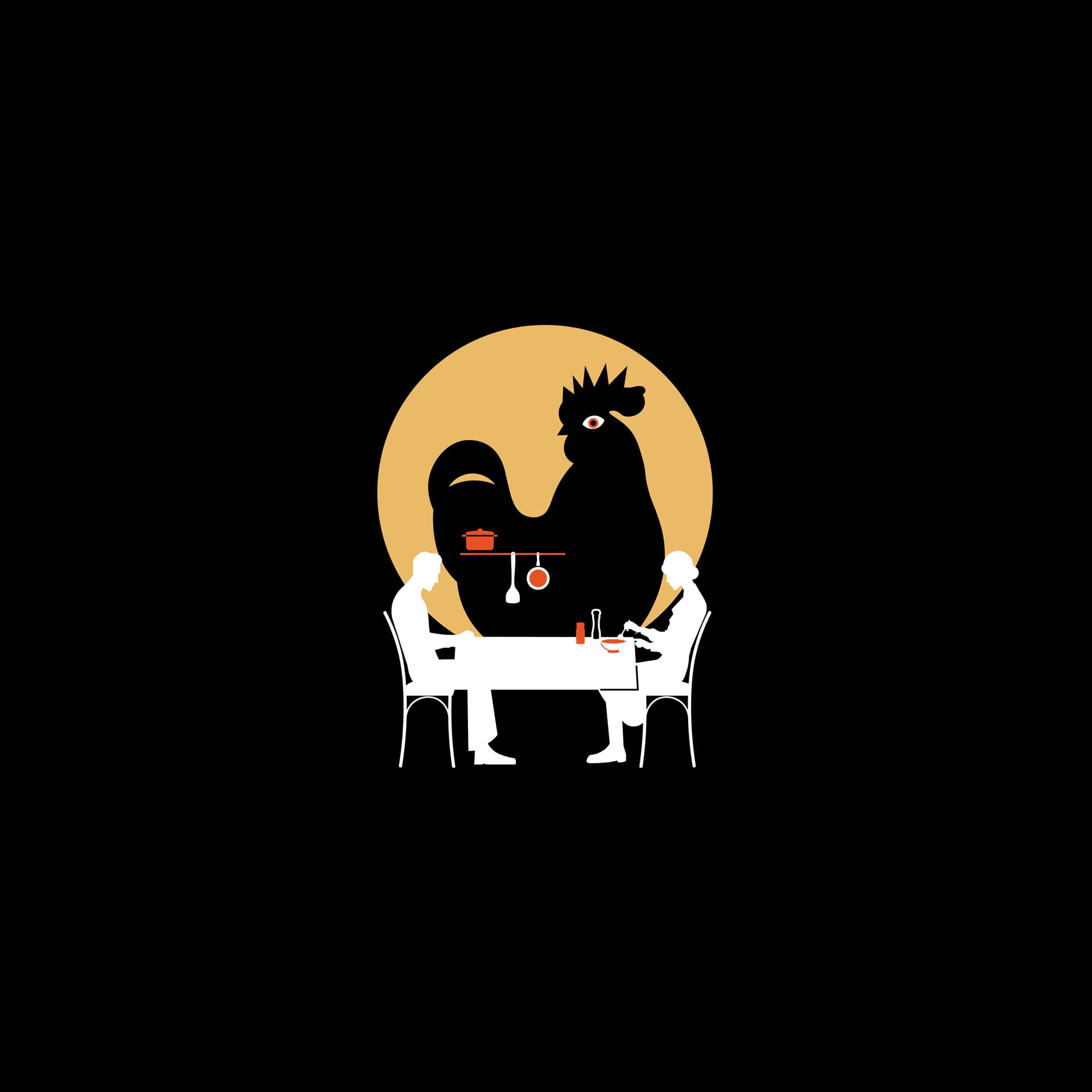
Written by Dongmeng Chen, Chicken Dropping begins with the apparently orderly home of Yifei and Ming and a feud among their neighbours’ chickens, gradually turning breakfast, eggs and a final bowl of soup into symbols of profit, responsibility and control. Directed by Zhaoyi Ying, with performances by Clarissa Liaw and Tristen ZiJuin, the absurdist comedy uses one kitchen to examine spectatorship, privilege and complicity as distant violence enters everyday life.
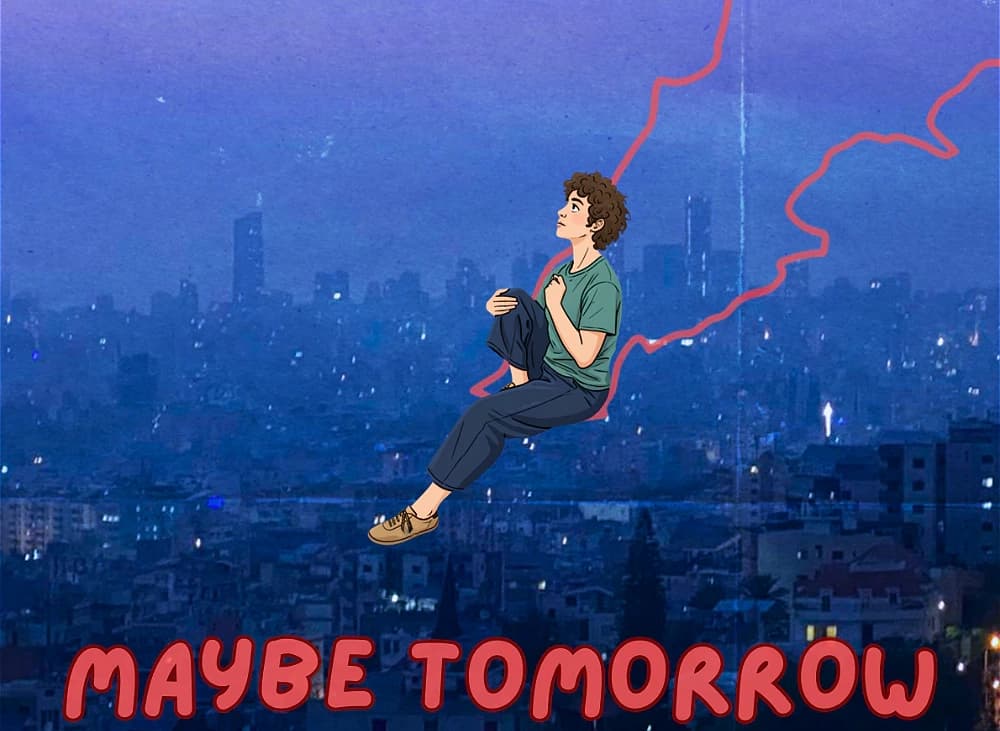
Written and performed by Antonia Chammas, Maybe Tomorrow follows Lebanese sisters Yara and Mina as the 2019 revolution, questions of migration and identity, and the country’s worsening crisis enter the ordinary space of their living room. Chammas creates two distinct characters within a solo performance, while Lauryn Jenkins’s direction allows news, street unrest and the Beirut port explosion to reshape the sisters’ relationship, holding love of homeland alongside anger, disappointment and the desire to leave.
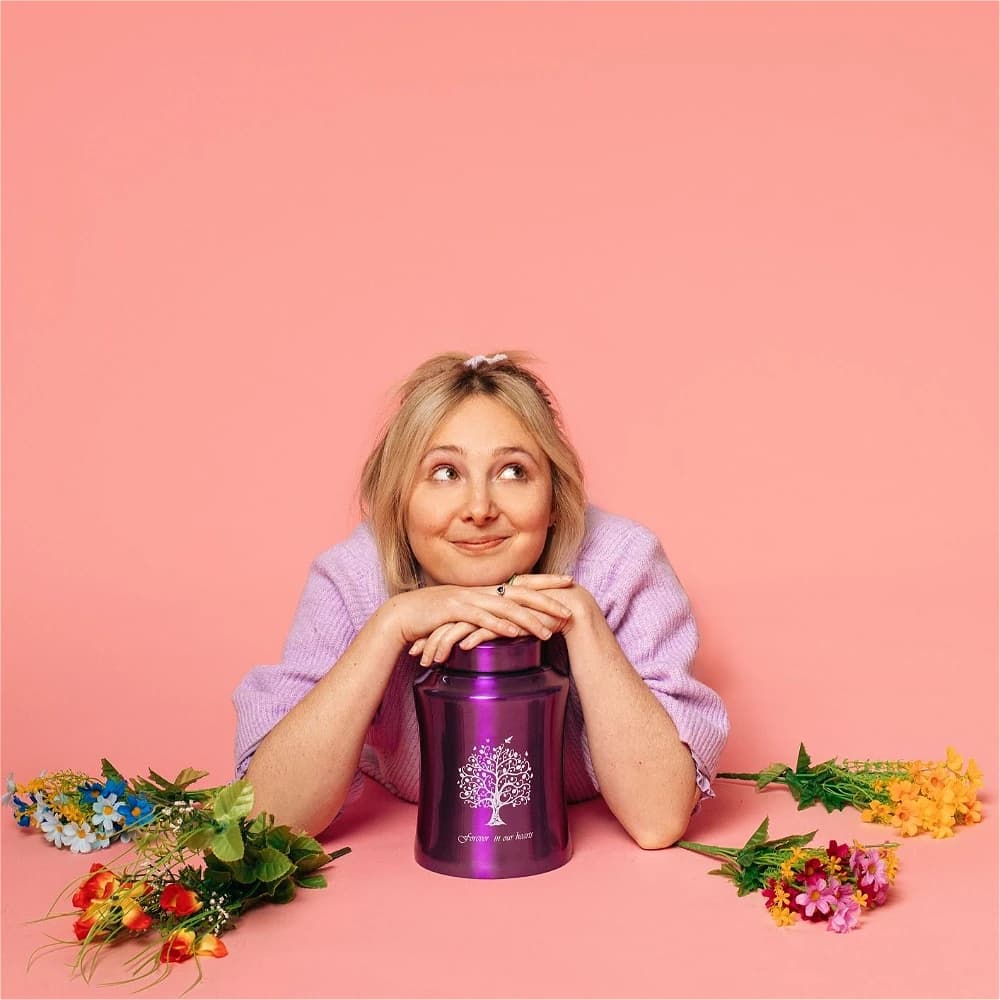
Written and performed by Martia Dimmer, Please Don’t Die? follows trainee death doula Evie as she helps dying clients face the end of their lives while avoiding her own grief over the death of her close friend Ben. Through music, dark comedy and intimate encounters, the show finds a gentle balance between humour and loss, with Dimmer’s warm vocals and fluid character work giving the one-person performance much of its charm.
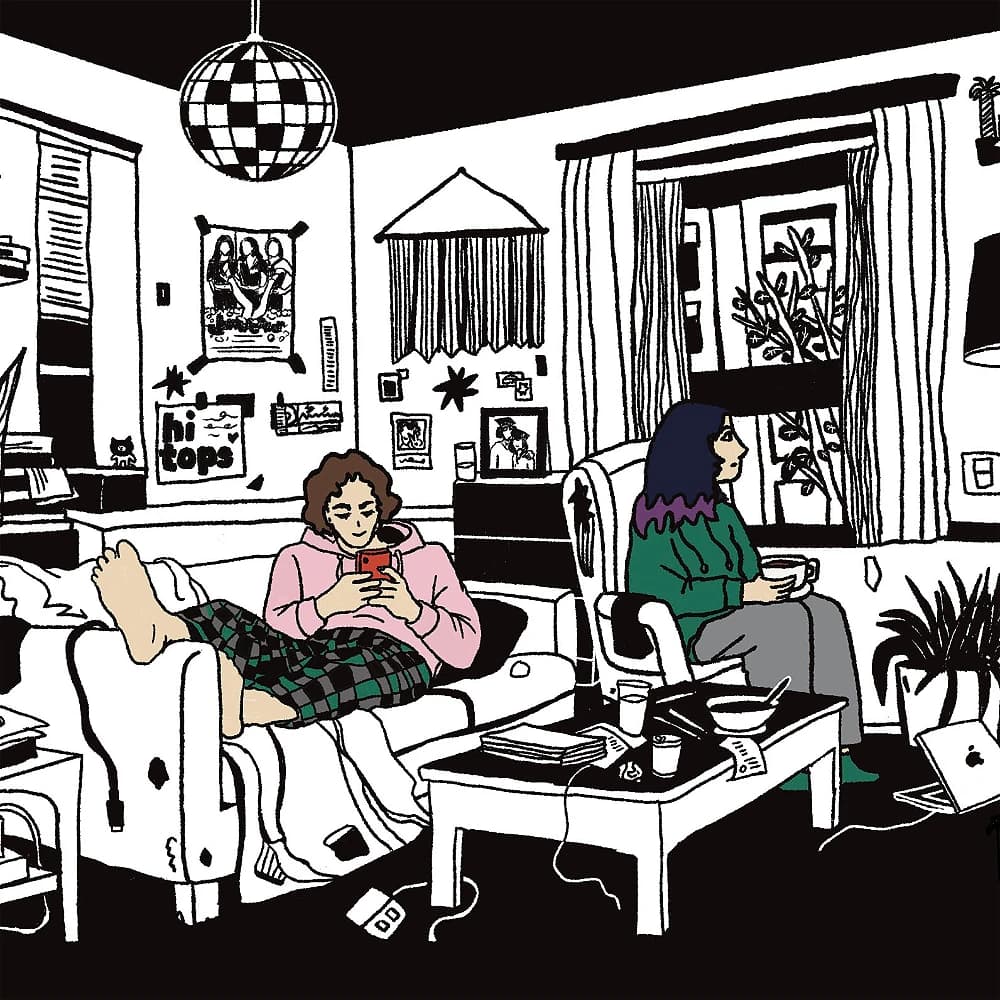
Stunted follows longtime friends and roommates Celine and Max as their relationship begins to fracture, using tense dialogue, natural comedy and detailed performances to capture the small changes within a friendship. Its observations on friendship, womanhood and queerness emerge naturally through the characters, while Christine Fang and Kenon Veno’s convincing chemistry makes the final separation especially painful.
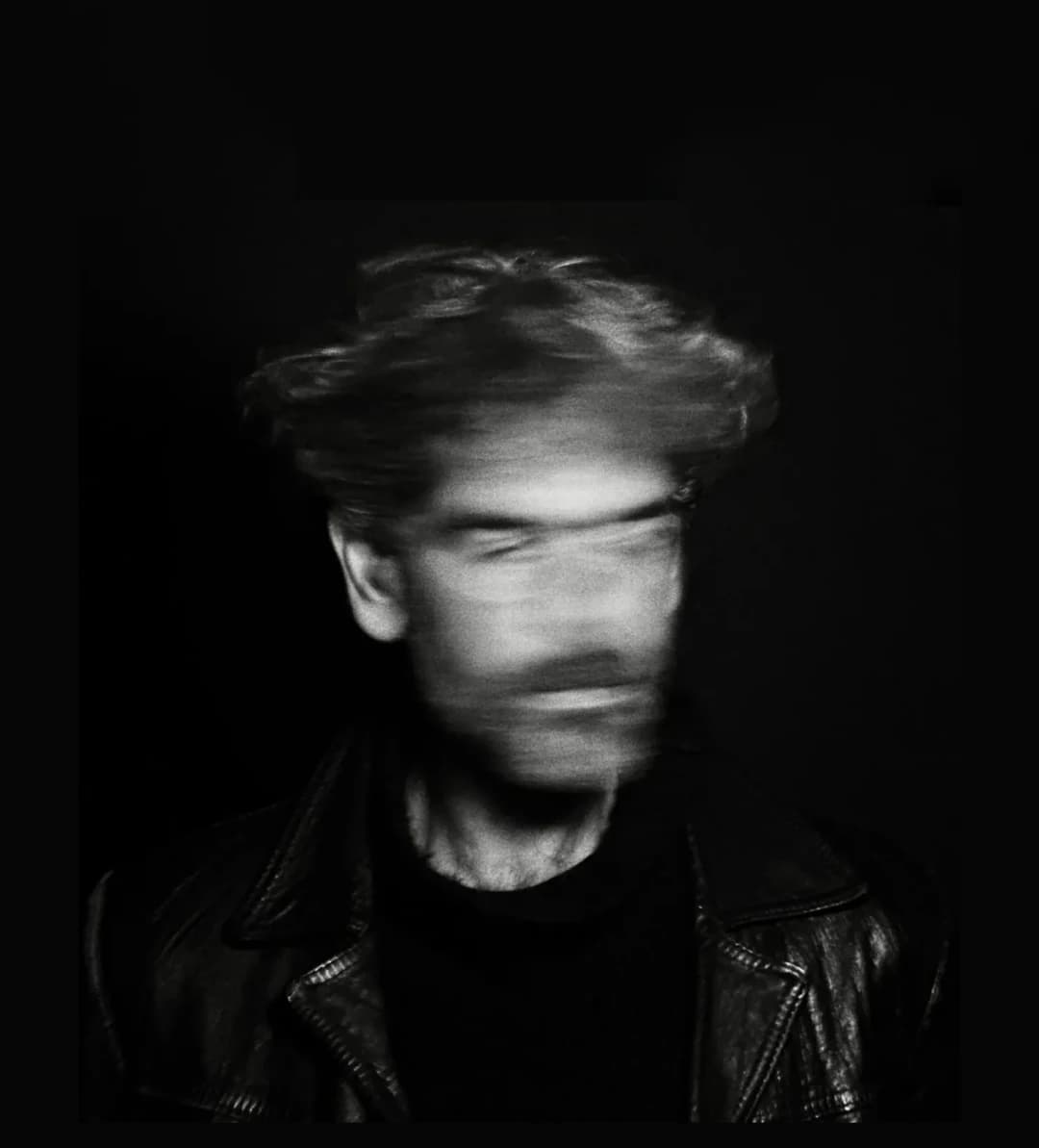
Mehmet Ali Nuroğlu’s Dünyada uses live camera, projection, lighting and sound to turn the fragmented world of a nameless traveller into a distinctive theatrical experience. Its strongest moments come from Nuroğlu’s remarkable control of the camera and live technical elements, although the repeated filming of audience members can become intrusive.
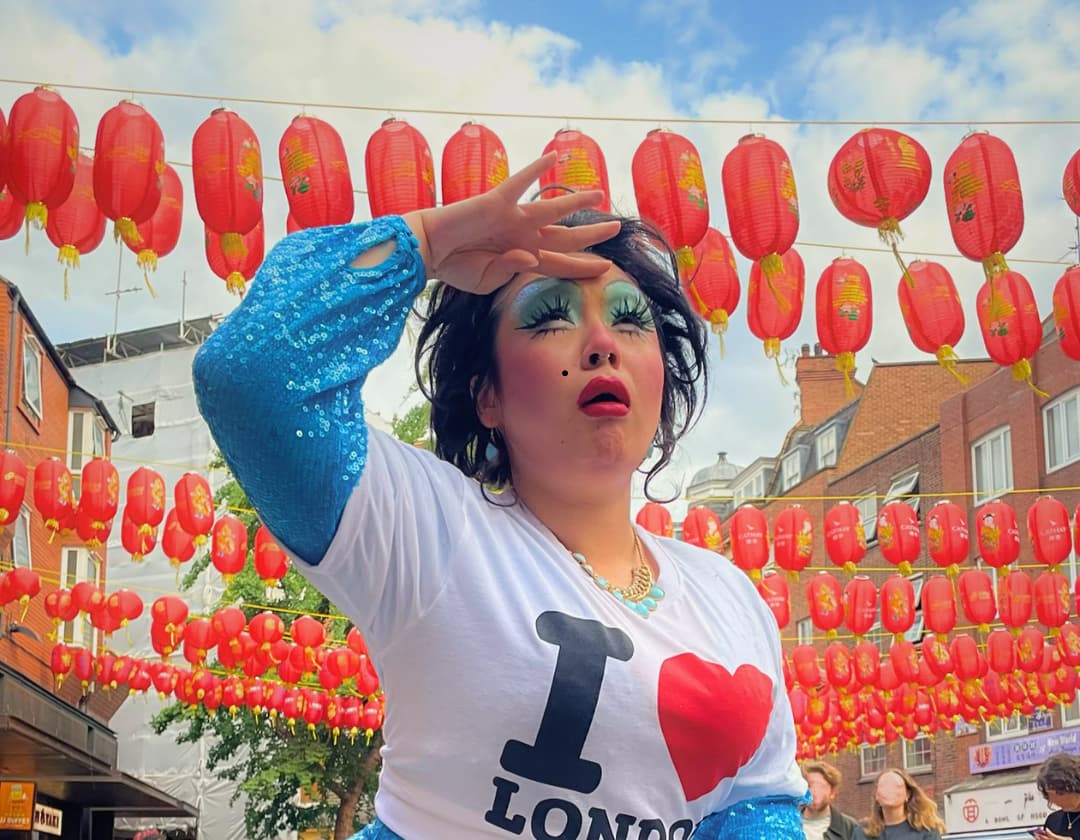
Charmaine Cheong’s one-woman comedy follows a Malaysian Chinese mother who travels to London to find a wife for her lesbian daughter. With clowning, sock puppets and audience interaction, the show creates a lively Fringe atmosphere, although its promising ideas about queer families, generational expectations and the mother-daughter relationship could be explored in greater depth.