All Content
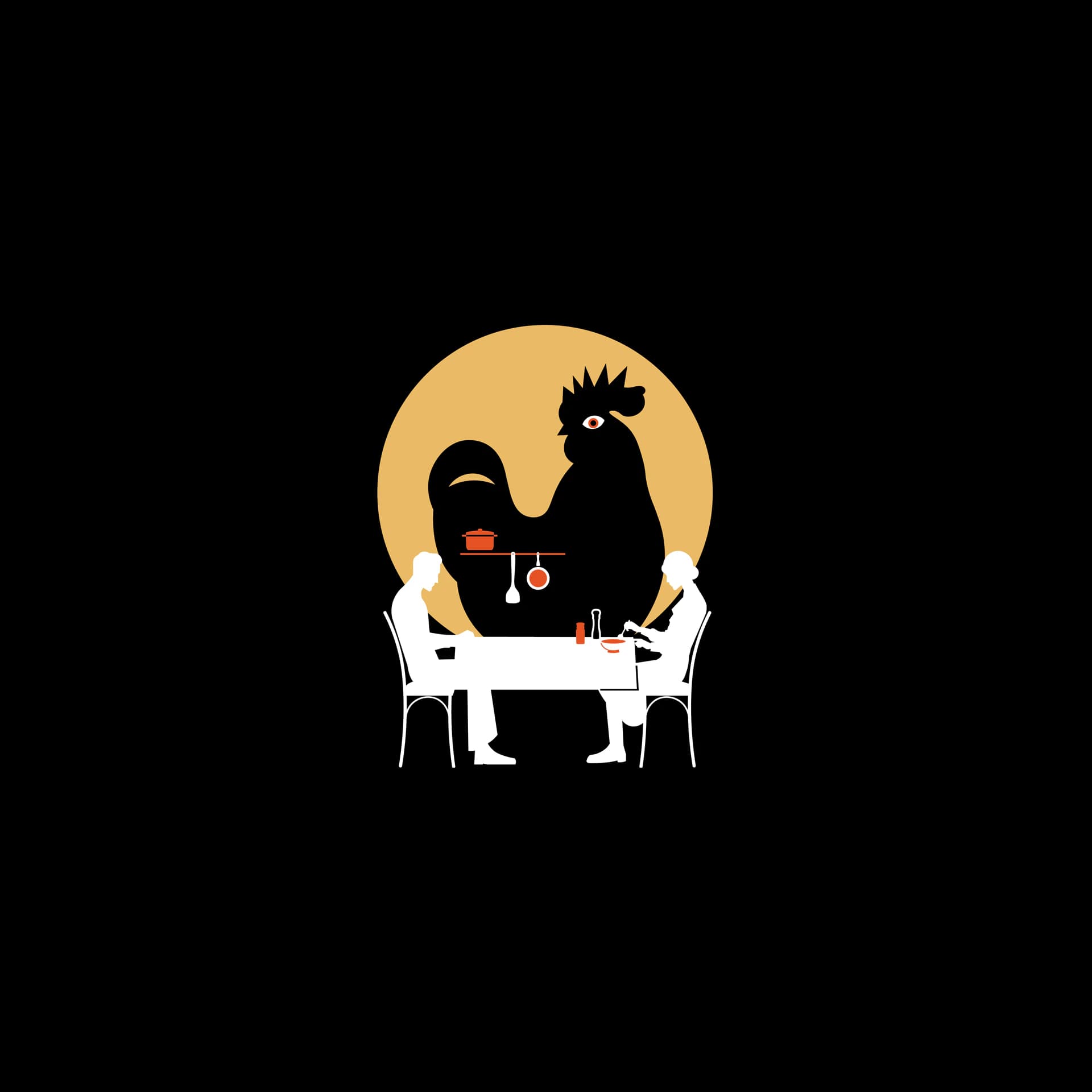
Written by Dongmeng Chen, Chicken Dropping begins with the apparently orderly home of Yifei and Ming and a feud among their neighbours’ chickens, gradually turning breakfast, eggs and a final bowl of soup into symbols of profit, responsibility and control. Directed by Zhaoyi Ying, with performances by Clarissa Liaw and Tristen ZiJuin, the absurdist comedy uses one kitchen to examine spectatorship, privilege and complicity as distant violence enters everyday life.
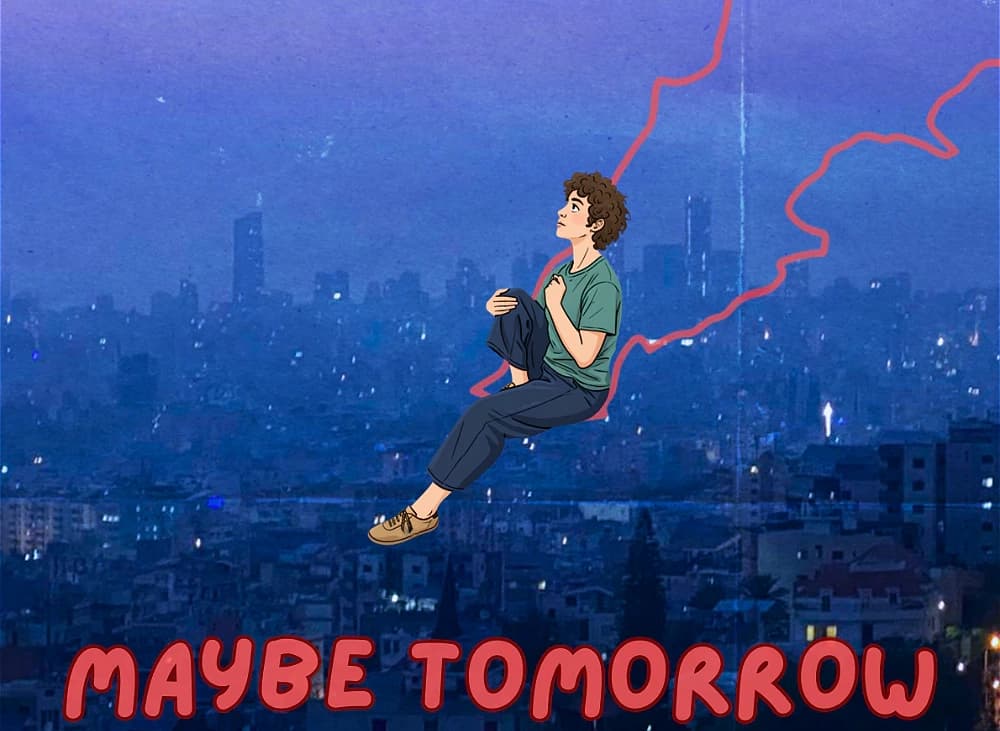
Written and performed by Antonia Chammas, Maybe Tomorrow follows Lebanese sisters Yara and Mina as the 2019 revolution, questions of migration and identity, and the country’s worsening crisis enter the ordinary space of their living room. Chammas creates two distinct characters within a solo performance, while Lauryn Jenkins’s direction allows news, street unrest and the Beirut port explosion to reshape the sisters’ relationship, holding love of homeland alongside anger, disappointment and the desire to leave.
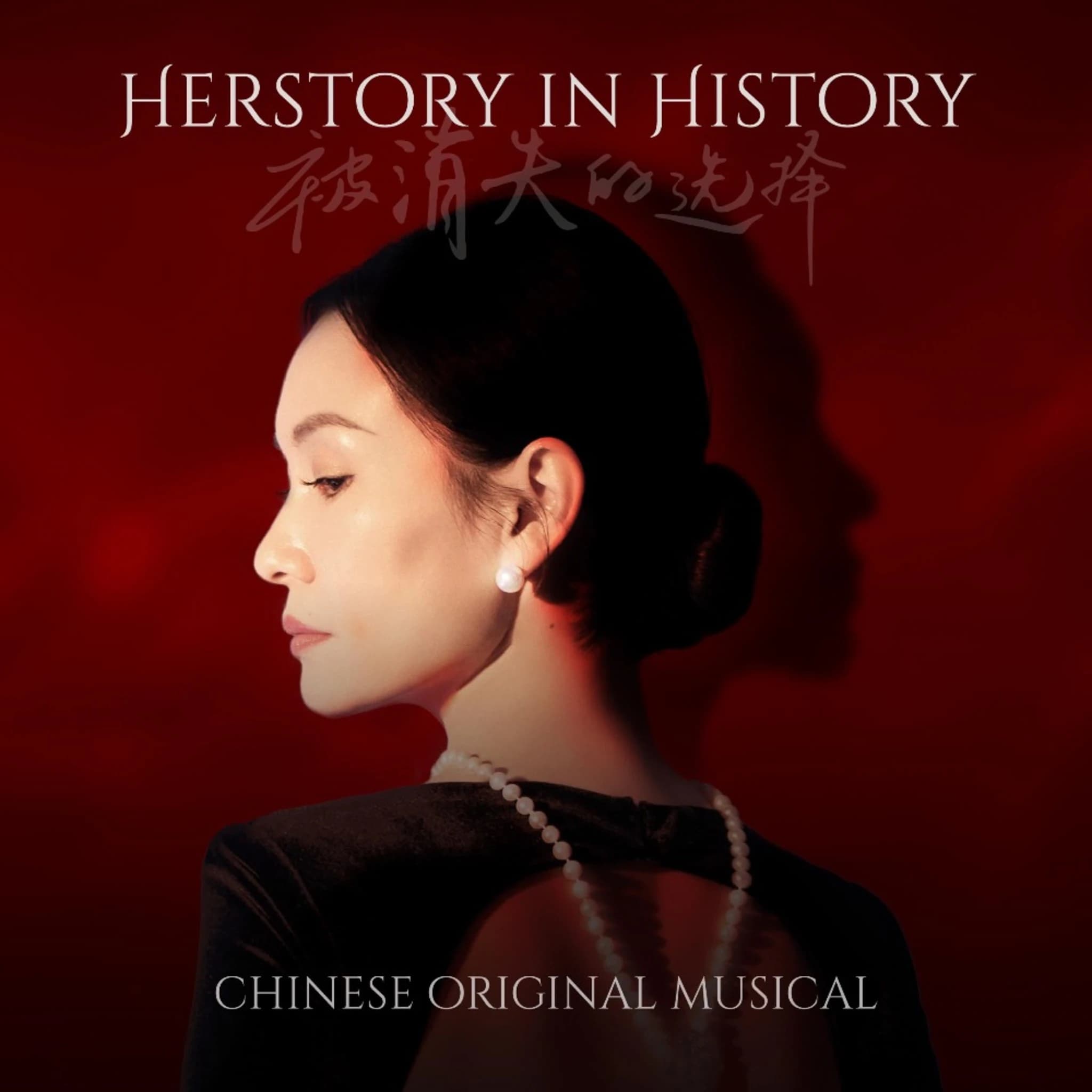
Herstory in History places Zhao Zhuang Ji from The Orphan of Zhao alongside a contemporary Chinese actress in a one-woman ‘portrait musical’ about the choices available to women across history and the present. Fiona Zhu delivers a particularly strong musical theatre performance, while the use of live camera and the recurring image of white silk create some of the production’s most affecting visual moments.
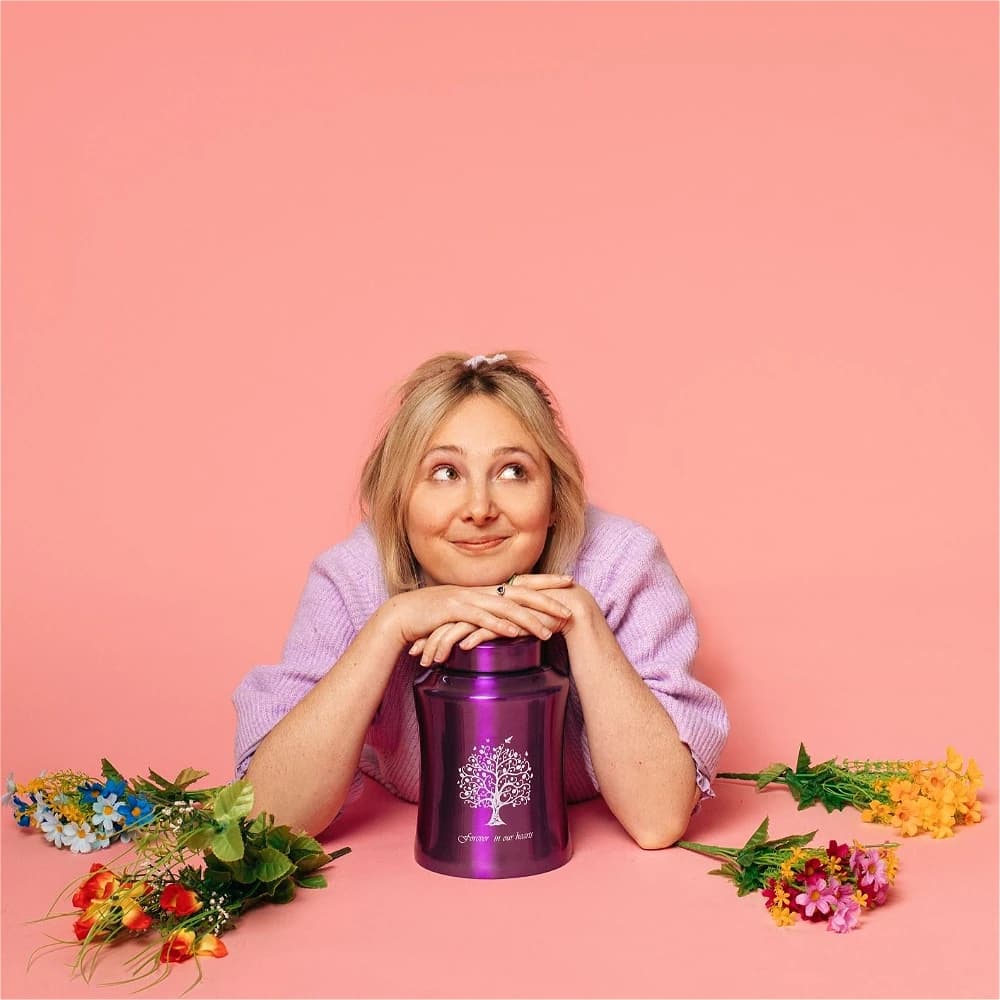
Written and performed by Martia Dimmer, Please Don’t Die? follows trainee death doula Evie as she helps dying clients face the end of their lives while avoiding her own grief over the death of her close friend Ben. Through music, dark comedy and intimate encounters, the show finds a gentle balance between humour and loss, with Dimmer’s warm vocals and fluid character work giving the one-person performance much of its charm.
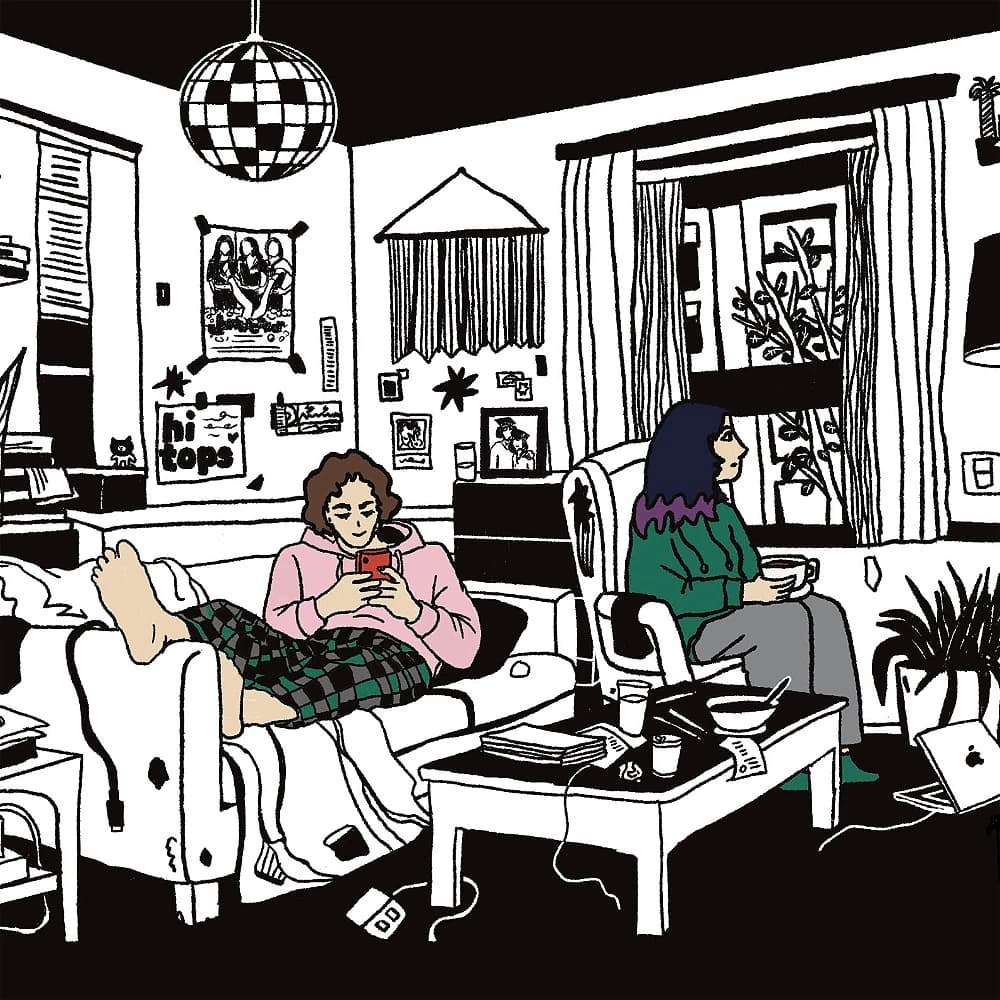
Stunted follows longtime friends and roommates Celine and Max as their relationship begins to fracture, using tense dialogue, natural comedy and detailed performances to capture the small changes within a friendship. Its observations on friendship, womanhood and queerness emerge naturally through the characters, while Christine Fang and Kenon Veno’s convincing chemistry makes the final separation especially painful.
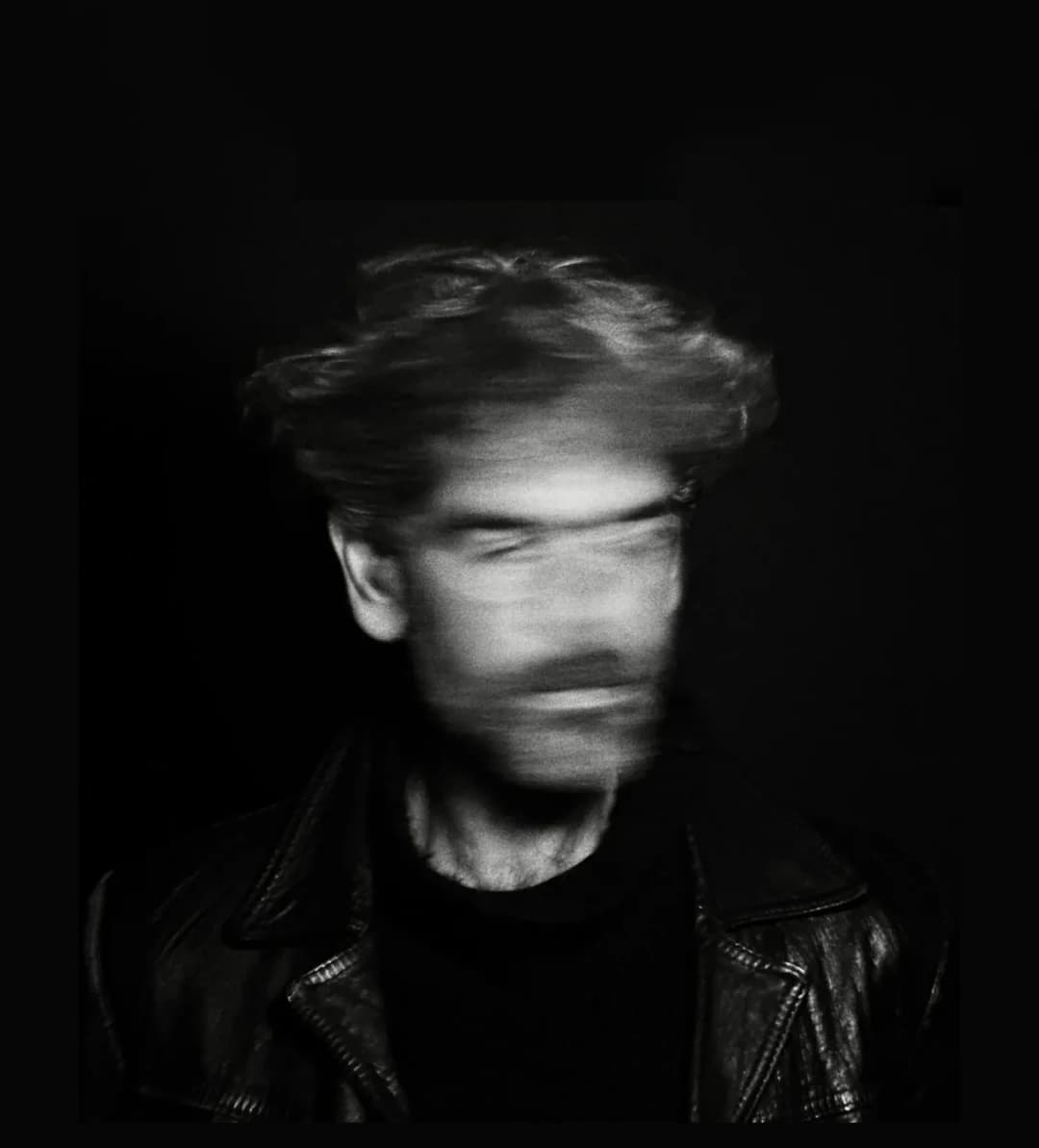
Mehmet Ali Nuroğlu’s Dünyada uses live camera, projection, lighting and sound to turn the fragmented world of a nameless traveller into a distinctive theatrical experience. Its strongest moments come from Nuroğlu’s remarkable control of the camera and live technical elements, although the repeated filming of audience members can become intrusive.
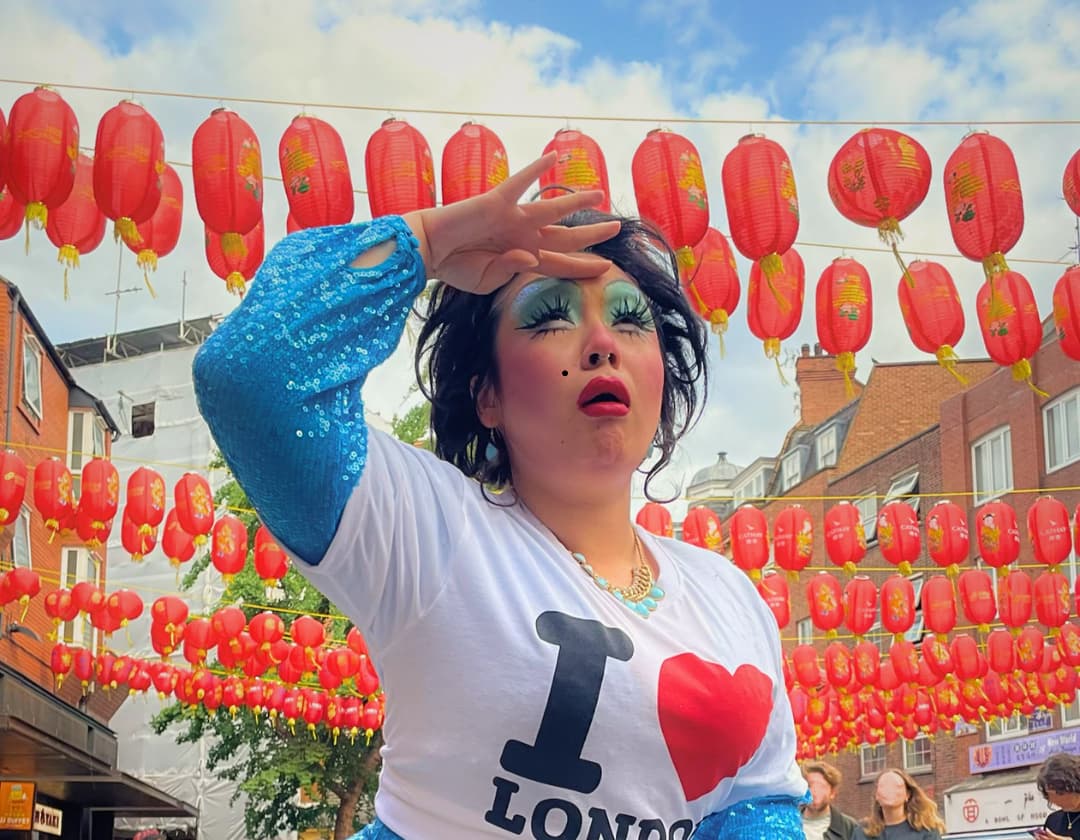
Charmaine Cheong’s one-woman comedy follows a Malaysian Chinese mother who travels to London to find a wife for her lesbian daughter. With clowning, sock puppets and audience interaction, the show creates a lively Fringe atmosphere, although its promising ideas about queer families, generational expectations and the mother-daughter relationship could be explored in greater depth.
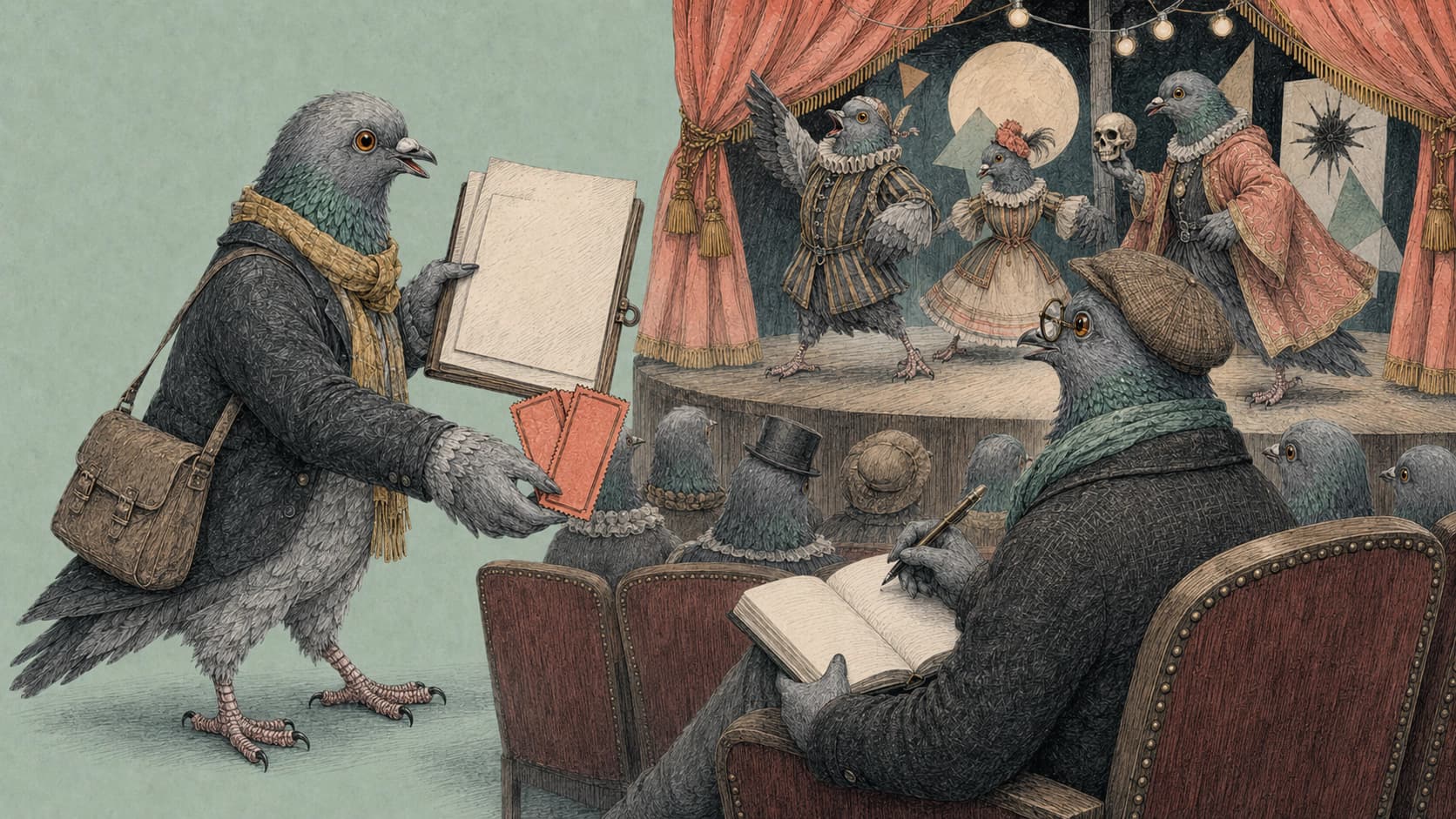
ShowTalk is inviting Camden Fringe 2026 productions to apply for review consideration. Eligible shows may submit their details and available performances. If selected and a press ticket is confirmed, ShowTalk will match the production with an available critic for an independently edited and published review.
Use this template to prepare show, performance, press, team and ticket information before applying for a ShowTalk review. Complete every required field accurately so that we can assess whether coverage is feasible.
Answers to common questions about eligibility, selection, complimentary press tickets, critic attendance, editorial independence, ratings, bilingual publication and application outcomes for Camden Fringe 2026 review requests.
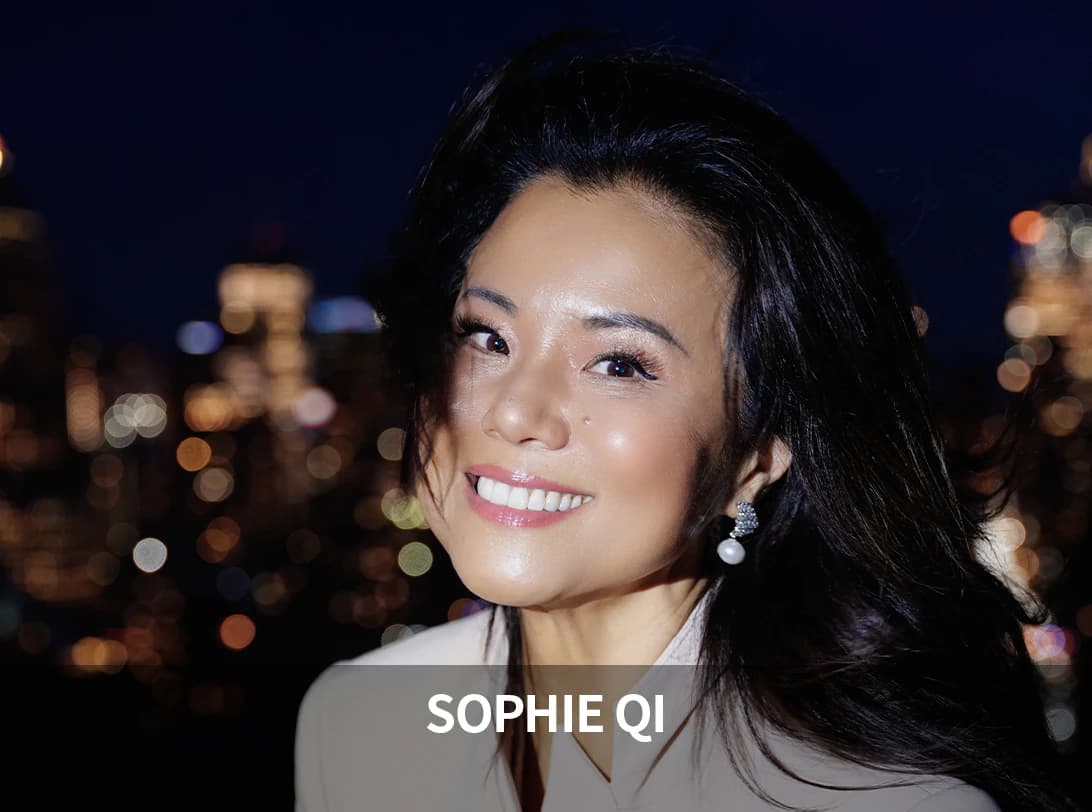
If you love musical theatre and have ever wondered why some shows get funded, produced and carried from Broadway or the West End to audiences around the world, this conversation takes you behind those decisions. Starting with Death Note: The Musical, Sophie Qi explores how producers assess projects, manage risk, build long-term value through IP and international rights, and how Asian stories can become creators of global value rather than simply a market.

A conversation with the team behind the musical Herstory in History, exploring the realities facing young theatre makers, independent musical theatre production and cross-cultural stage practice, as well as Princess Zhao’s fifteen years omitted from historical records and the work’s dual portrait of women past and present.